
Telemedicine is rapidly becoming the norm rather than the exception. Many people love the concept because it lets them access medical care from home. Here are five other reasons why the telehealth industry is breaking new ground in health care.
1.It Utilizes Artificial Intelligence for Improved Decision-Making
Although the idea of incorporating artificial intelligence (AI) into telemedicine platforms is relatively new, it could pay off in a big way.
Austin Health is a health system based in Melbourne, Australia. Practitioners there recently began using a telehealth product called COVID-Care. It has a triage element that determines whether patients should see providers in person or stay home. The first day of use resulted in 85% of patients being told not to go to the hospital.
There is also an AI component that analyzes people counting to 30. They submit recordings of themselves, and then high-tech algorithms help determine if they might need further interventions while recovering at home. For example, someone who becomes short of breath and struggles to finish the exercise or takes long pauses may concern doctors.
AI will not replace human knowledge, but it can supplement it. Doctors make dozens of decisions under pressure daily. Getting help from tech could ease some of their burdens. The applications extend beyond COVID-19, too. The Austin Health setup, for example, can send text messages to patients to remind them about appointments.
2. It Safeguards Physicians From Unnecessary Exposure
A telemedicine solutions provider could also facilitate situations where doctors can speak with and diagnose patients without risking exposure to highly infectious diseases. That benefit came into the spotlight during the coronavirus pandemic, but the advantages span far beyond it.
Cloudbreak Health offers telemedicine through a screen connected to a mobile cart. Someone could push it up to a person’s bedside at a hospital, for example. The patient then only needs to push a button to connect with the doctor. The physician proceeds to communicate with the individual, whether they are in the same facility or not.
This arrangement could help rural health facilities without dedicated quarantine areas. This telemedicine app lets doctors assess people without coming face-to-face with them, which means frontline staff can protect themselves from exposure for as long as possible.
3. It Supports the Health of Travelers
Getting sick is never fun, but it can become especially upsetting when people are away from home due to work or leisure travel. Many travelers who become ill may not even know how to find a provider. Sitata is an app made to prevent that unsettling scenario.
Sitata covers travel aspects like itinerary creation and relevant alerts about safety. One of its newest additions is a telemedicine feature that lets users connect with physicians who specialize in travel medicine. That background may mean they have insights about localized health issues that someone’s home doctor does not.
Besides offering communication via text or video chat, the app lets users schedule clinic appointments or even send doctors to their hotels. This example shows that telemedicine can support people’s health no matter where they are — at home or abroad.
4. It Helps Paramedics Get Informed Advice About Patient Needs
A telemedicine provider may take a community-level approach to health care more than catering to hospitals and medical practices. FieldMed is one example of that approach in action. It helps paramedics quickly link with physicians after assessing their patients, thereby minimizing unnecessary hospital transport. FieldMed introduced that feature during the COVID-19 pandemic. It will remain relevant later, too, especially by easing the strain on already-taxed medical centers.
For example, FieldMed’s platform keeps track of data that could affect someone’s ability to successfully follow home care instructions — such as their mobility level and availability of food and shelter. The information allows for making personalized judgments that impact well-being.
5. It Assists Spanish Language Speakers
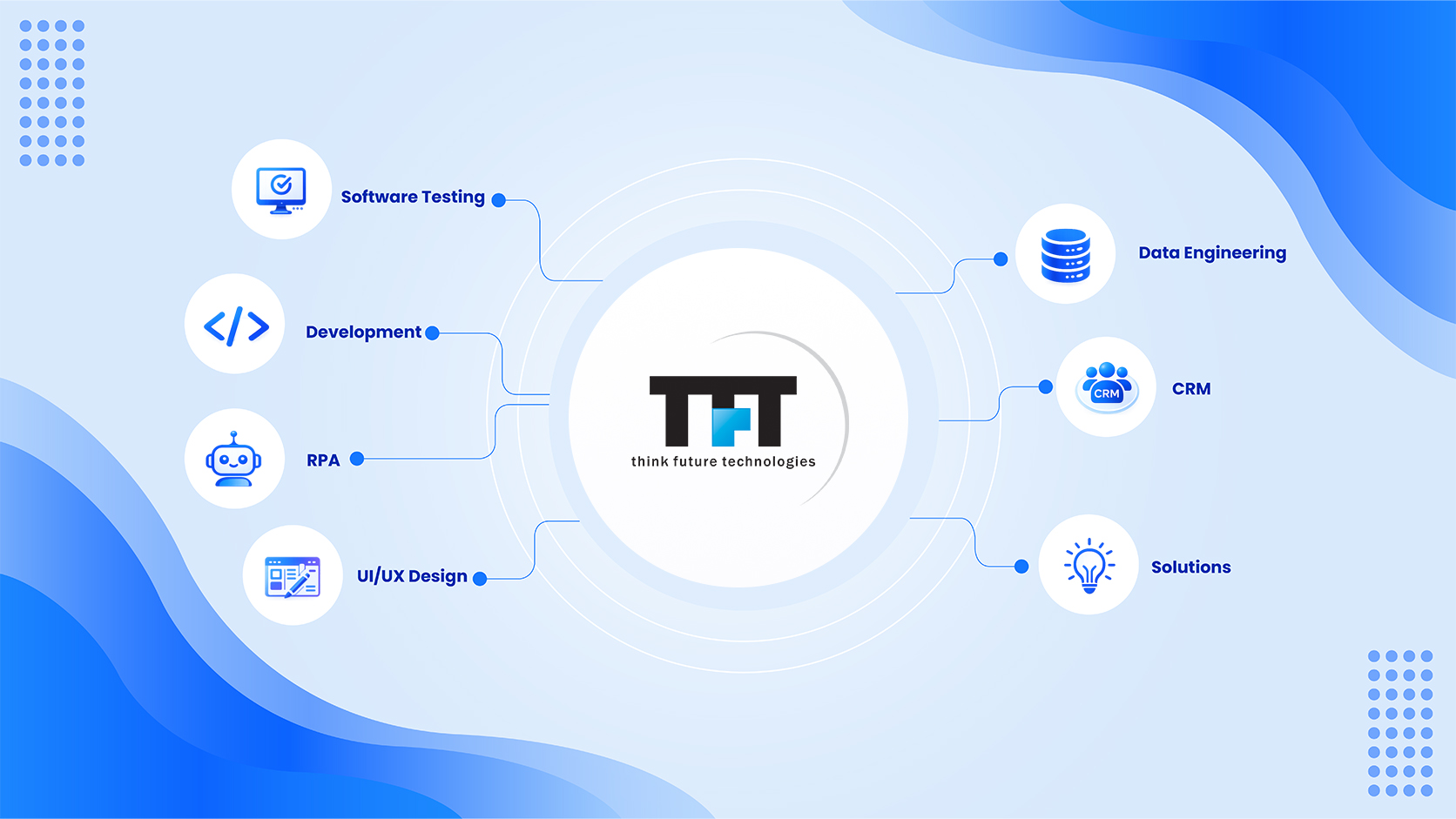
Health care systems are often complex and can become even more so for non-English speakers. TFT is a telemedicine solution provider that specializes in the multicultural nature of medical needs. The company’s telehealth arm targets employers who employ large numbers of employees and encounter health-related language barriers.
The service resolves more than 60% of medical issues during people’s first calls. People who need additional help get follow-up communications.
Telemedicine Is Increasingly Relevant
These five benefits of telehealth illuminate why technology is such a game-changer. As innovation continues and more people discover the potential of connected health platforms, overall adoption rates should rise.


Leave a Reply